




















Hotel SEO: How UK Hotels Can Attract More Direct Bookings
Share this post

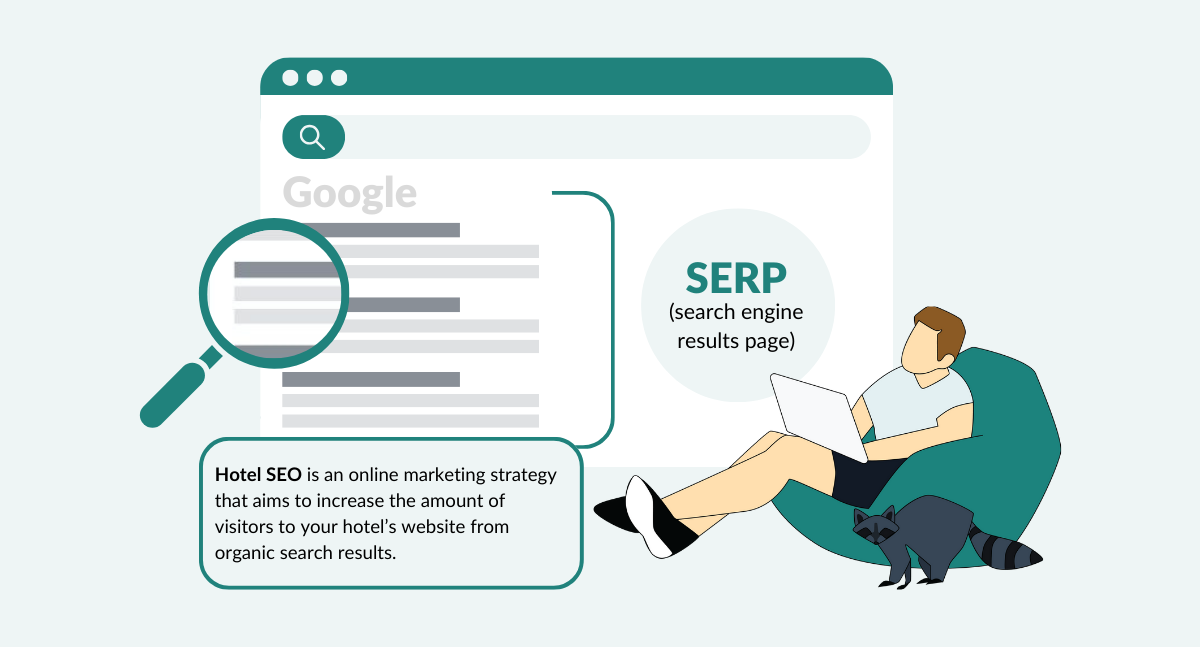
Hotel SEO is the process of improving your hotel’s visibility in organic search results. It combines useful website content, local search optimisation, technical improvements and relevant links to help travellers find your property. The commercial goal is to attract guests who are a good fit for your hotel and give them a clear route to booking directly.
For a UK hotel, that might mean appearing when someone searches for a boutique hotel in Bath, a family room in York or accommodation near a Birmingham conference venue. Your website needs to explain why your property fits the visit, answer practical questions and make availability easy to check.
This guide shows you where to focus your effort, how hotel SEO relates to Google Hotels and AI search, and how to measure progress beyond rankings.
How does hotel SEO differ from Google Hotel Ads?
A hotel search can show website results, a map, hotel prices and sponsored placements. These are different routes to your property, with different requirements.
| Search channel | What it shows | Your priority |
|---|---|---|
| Organic website results | Links to hotel websites, destination guides and other relevant pages. | Useful content, accessible pages and relevant links. |
| Local and map results | Properties associated with a location, including business details and reviews. | An accurate Google Business Profile and clear location information. |
| Free booking links | Booking options with prices for the selected stay. | An eligible hotel connection supplying accurate rates and availability. |
| Google Hotel Ads | Paid hotel booking placements. | An advertising setup, accurate rate information and suitable campaign management. |
On smaller screens, scroll horizontally to see every column.
Google does not charge for placement or clicks on free booking links, although your connectivity provider may charge for its service. Paid advertising does not buy a higher organic website ranking. If you want to explore paid hotel placements, see RoomRaccoon’s Google Hotel Ads integration.
Choose hotel keywords that match your property and guests
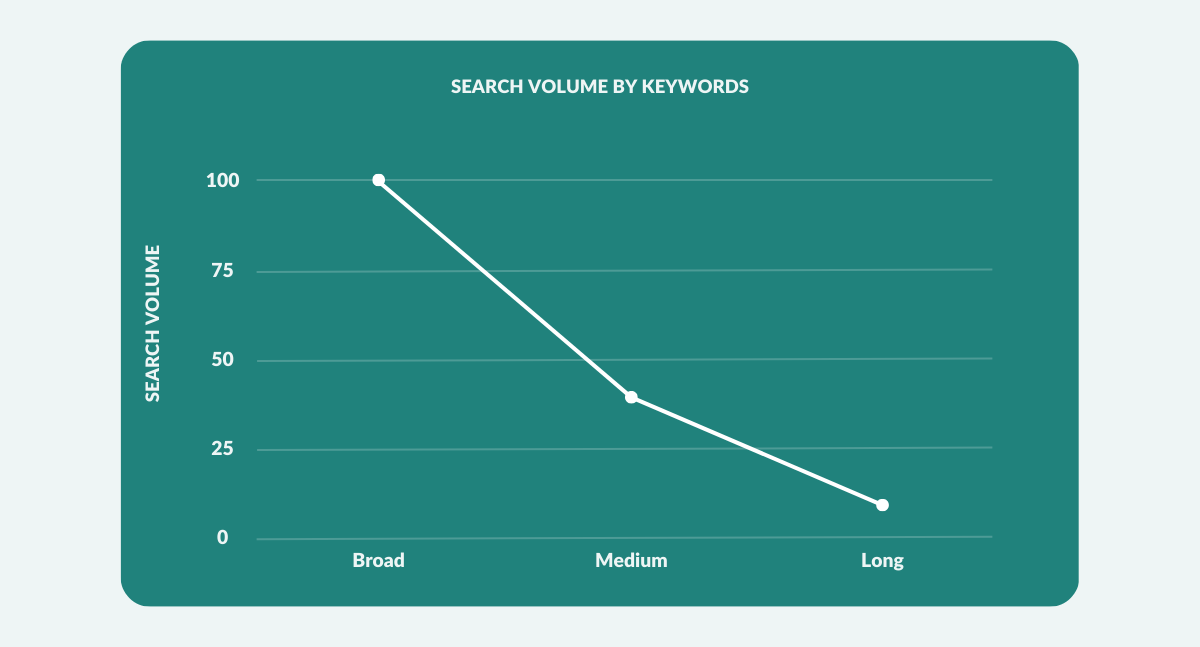
Start with the stays you can genuinely deliver. Combine your location with room types, facilities and reasons to visit. A small hotel does not need to compete for every broad destination search to attract relevant guests.
Use Google Search Console to find the queries already showing your website. Use a keyword tool with the UK database selected to explore related searches. Check the results yourself: a search dominated by comparison lists may need a different approach from one showing individual hotel pages.
| Example search | Guest’s need | Suitable page |
|---|---|---|
| Boutique hotel in Bath | Compare accommodation in a specific destination. | The hotel’s main property page. |
| Family hotel in York with parking | Check suitability for a family stay. | A family stays page explaining room capacity and parking arrangements. |
| Dog-friendly hotel in the Lake District | Find accommodation that accepts a dog. | A page with permitted rooms, charges, restrictions and nearby walks. |
| Things to do in Bath on a rainy day | Plan activities during a visit. | A useful local guide linking to relevant accommodation. |
Assign each main search intent to one useful page. Improve an existing page before creating another that answers the same question. Separate pages for near-identical keyword variations can leave guests, your team and search engines with several competing versions of the same information.
Improve the pages guests use to choose a stay
Prioritise your homepage, room pages, location information and key facilities before expanding the blog. These pages should help a visitor decide whether the hotel meets their needs.
Replace vague descriptions with useful details
Explain bed configurations, maximum occupancy, breakfast options, parking arrangements, check-in times and cancellation conditions. Describe accessibility features precisely, so guests can assess their own requirements. Use current photographs of the rooms and facilities you actually offer.
For example, a family room page is more useful when it explains whether children sleep in separate beds and whether a cot fits than when it simply promises a perfect family escape.

Write clear titles, headings and descriptions
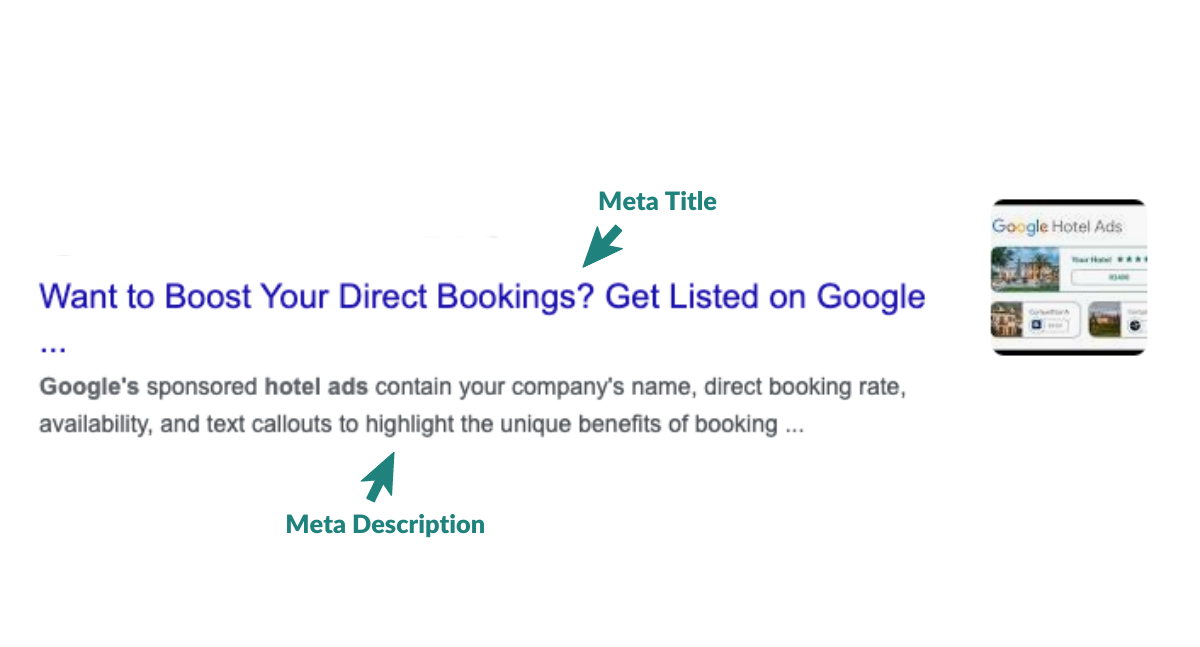
Give each page a distinctive SEO title and a visible heading that describe its main purpose. Mention the location and relevant feature naturally. A family accommodation page might lead with family rooms in York, then explain the specific room choices.
Use the meta description to summarise what the visitor will find and why it is relevant. Google may generate a different title or snippet, so fixed character counts do not guarantee how your result will appear.
Use images and internal links to support the decision
Resize and compress photographs for the space they occupy, while retaining enough detail to show the room clearly. Write alt text that describes the image. Include image dimensions to help the browser reserve space while the page loads.
Link between related pages using descriptive wording. A guide to a nearby walking route could link to your dog-friendly rooms. A wedding page could link to accommodation options for guests. Keep important information in readable text rather than only inside an image or downloadable brochure.
Build local visibility with accurate details and relevant links
Local SEO helps search engines connect your hotel with its real location and offering. Google says local results mainly depend on relevance, distance and prominence. You can improve your information and reputation, but you cannot change the hotel’s physical distance from a searcher’s chosen location.
- Maintain your Google Business Profile. Check the name, category, address, map pin, telephone number, website, amenities and photographs.
- Keep property details consistent. Correct conflicting information on your website, booking platforms and relevant tourism listings.
- Invite honest reviews. Ask guests for feedback without rewards or pressure to leave a positive rating. Respond helpfully and address recurring problems.
- Explain the location. Describe transport options, nearby attractions and parking. Verify distances and state whether a journey is on foot, by car or by public transport.
Create local content worth referring to
Your reception team’s knowledge can make a destination guide useful: how to arrive after an evening performance, where families can eat nearby or which walks suit a short stay. Check event dates and practical details before publishing, then review them when they change.
Look for relevant editorial links from destination organisations, event venues and local partners. A helpful accommodation page for a nearby venue has a clear purpose. Buying bulk links or publishing the same location text across dozens of pages does not provide that value.
Share useful guides through your existing guest communications. Email marketing for hotels can help returning guests discover them, while SEO introduces those pages to people who have not stayed with you yet.

Check technical SEO and the mobile booking journey
A useful page still needs to be accessible to search engines and easy for guests to use. Ask your website provider to check these practical points:
- Indexing: inspect important pages in Search Console and investigate unexpected indexing exclusions or crawl blocks.
- Duplicate URLs: review canonical settings and date or filter parameters so search engines can identify the preferred version of a page.
- Broken links: repair links to missing pages and redirect a replaced page to its relevant successor.
- Mobile usability: test navigation, date selection, room choices and forms on a phone. Ensure overlays do not hide essential controls.
- Performance: use PageSpeed Insights and available Core Web Vitals data to investigate slow loading, delayed interactions and shifting layouts.
- Structured data: check that any hotel or organisation information in the markup matches the visible page. Markup does not guarantee a special search appearance.
Prioritise problems that prevent discovery or booking. A perfect performance score is not a guarantee of high rankings. If you are reviewing your website setup, explore the features of RoomRaccoon’s hotel website builder and discuss the controls your team needs.
How can hotels make their content useful for AI search?
Generative engine optimisation, often called GEO, focuses on visibility in answers produced by AI search tools. For hoteliers, a useful starting point is publishing clear, accurate information that can answer a traveller’s specific question.
For example, put your dog policy in a clearly labelled section that explains permitted rooms, charges and restrictions. Give similarly direct answers about parking, accessibility and family occupancy. Keep these details consistent across the website and external profiles.
Google’s guidance on AI search features says its existing SEO principles still apply to AI Overviews and AI Mode. There is no special AI markup required. Pages need to be indexed and eligible for a search snippet to appear as supporting links, and inclusion is not guaranteed.
Turn relevant search traffic into direct bookings
SEO brings potential guests to your website. The next step is helping them find a suitable room and complete a reservation.
- Place a clear availability or booking link on room, offer and relevant destination pages.
- Show what the rate includes, the total price and the applicable cancellation and payment conditions.
- Keep room names, photographs and occupancy details consistent between the website and booking engine.
- Explain any genuine direct booking benefits, such as an included extra or a particular rate condition.
- Test what guests see when their selected dates or room type are unavailable.
Where RoomRaccoon supports the process
The RoomRaccoon booking engine lets guests book directly from your website and supports features such as add-ons, packages and promotional codes. Its connection with the PMS helps your team manage those reservations within the same platform.
The integrated channel manager exchanges rates and availability with connected distribution channels. This supports distribution and reservation management; using hotel software does not guarantee an organic ranking improvement.
Compare the features, subscription and payment costs that apply to your setup. A commission-free booking engine can still involve software and payment processing costs. You can also explore RoomRaccoon’s hotel case studies to see how other properties use the platform.
Measure hotel SEO by visibility, bookings and revenue
Use Search Console to understand search queries, impressions, clicks and the pages receiving them. Separate searches for your hotel name from searches by people still choosing a property. Check country and device filters before comparing periods.
Use your analytics and booking data to assess what happens after the visit: availability searches, completed reservations and booking value. Keep completed bookings separate from enquiries or clicks on a booking button.
If your booking engine runs on a different domain, ask your provider to verify cross-domain measurement and test a complete booking journey. Otherwise, the original traffic source can be lost or split across sessions. Reconcile recorded transactions with reservation data, allowing for consent choices, cancellations and other measurement gaps.
Review comparable periods and account for school holidays, bank holidays, events and changes in availability. More traffic is only useful commercially when it reaches suitable guests. If visits rise but bookings do not, investigate the landing page, rates, availability and booking process before publishing more content.
A practical first-month action plan
- Establish the baseline. Record current search performance and test booking measurement.
- Fix the essentials. Resolve important indexing or booking problems and correct property information.
- Improve priority pages. Rewrite the room, location or facility pages with the clearest relevance to your guests.
- Add one useful local resource. Answer a recurring guest question and connect the guide to relevant accommodation.
- Review and continue. Record the changes, monitor results and choose the next improvement based on evidence.
This is a work schedule, not a promise of results within a month. Search engines need time to process changes, and outcomes depend on competition, your website and the quality of the work.
Frequently asked questions about hotel SEO
Can an independent hotel compete with large booking websites?
Yes, particularly for searches that closely match its location, facilities and guest needs. Focus on accurate local information and detailed property pages. Broad destination terms can be highly competitive, so assess opportunities individually rather than expecting to outrank every OTA.
How long does hotel SEO take to work?
There is no fixed timetable. Resolving an indexing problem and building visibility for a competitive destination are different tasks. Monitor whether updated pages are indexed, then assess changes in relevant clicks and bookings over time.
Does every hotel need to publish a blog every week?
No. Start with accurate property, room and location pages. Publish a guide when it answers a useful question you can address well, and maintain existing guides when their information changes. A weekly publishing target is not a substitute for relevance.
Should you hire a hotel SEO agency?
Your team can maintain property information, answer guest questions and review feedback. Specialist help may be useful for technical problems, keyword planning or measurement. Ask for a clear scope, access to your reporting and evidence of completed work. Avoid guarantees of a particular ranking.
Will adding a booking engine improve Google rankings?
A booking engine’s main job is to turn interest into reservations. It is not a shortcut to higher organic rankings. Check how it works with your website, how easy it is to use on mobile and whether you can measure completed bookings accurately.
Make it easier for guests to book direct
Bring your website and current booking process to a RoomRaccoon demo. See how the booking engine, PMS and channel manager work together, and discuss the setup, tracking options and costs for your hotel.
Follow us


Michael

Subscribe to our newsletter for more on the latest hospitality & RoomRaccoon updates delivered straight to your inbox!


